

008615063091883
 English
-
 English
 -
عربي
-
Deutsch
-
Русский язык
-
Français
-
Latina
-
Português
-
Español


info@kingstar-glass.com

KINGSTAR GLASS
Curtain Wall Glass | High-Performance Architectural Glazing for Building Facades from KINGSTAR BUILDING GLASS
KINGSTAR BUILDING GLASS Curtain Wall Glass is a high-performance architectural glazing solution engineered for modern building facades. A curtain wall is a non-bearing exterior wall system suspended from the building structure, consisting of vertical mullions and horizontal rail members that support the glazing or window units. Our curtain wall glass products are available in tempered, laminated, insulated, and low-E coated configurations to meet the demanding requirements of commercial, institu
What is Curtain Wall Glass?
Curtain wall glass is the glazing material used in curtain wall systems—non-bearing exterior walls that are suspended from the building structure and do not carry floor or roof loads. A curtain wall is typically a nonbearing assembly of vertical mullions and horizontal rail members that support the glazing or window units. Curtain wall systems are distinct from window walls and storefronts in that they are designed to accommodate building movement, wind loads, and thermal expansion while providing a weather-tight building envelope.
Curtain wall glass serves two primary functions within the facade:
Vision Glass: Transparent glazing that provides views and natural light. Vision glass is typically insulated and may incorporate low-E coatings for thermal performance and solar control.
Spandrel Glass: Opaque glass panels located between areas of vision glass, aligned with floor edges. Spandrel glass conceals structural building components such as columns, slabs, insulation, and mechanical systems. Spandrel glass is rendered opaque using backpaint, ceramic frit, or specialty coatings.
Curtain Wall Glass Types
KINGSTAR BUILDING GLASS offers curtain wall glass in multiple configurations to meet different project requirements:
| Glass Type | Description | Key Characteristics | Best For |
|---|---|---|---|
| Tempered Glass | Thermally heat-treated for increased strength | 4-5x stronger than annealed glass; shatters into small fragments for safety | Vision areas requiring safety glazing, point-supported systems |
| Laminated Glass | Two or more glass plies bonded with PVB or SGP interlayer | Post-breakage integrity; fragments adhere to interlayer; enhanced security and sound insulation | Overhead glazing, security applications, acoustic performance |
| Insulated Glass Units (IGUs) | Two or more panes with sealed air/gas-filled cavity | Superior thermal and acoustic insulation | Energy-efficient facades, curtain walls |
| Low-E Coated Glass | Glass with microscopically thin low-emissivity coating | Reflects long-wave infrared heat; reduces heat transfer while allowing visible light | Energy-efficient buildings, solar control |
| Spandrel Glass | Opaque glass with backpaint or ceramic frit coating | Conceals structural elements; matches vision glass appearance from exterior | Non-vision areas between floors |
| Reflective Glass | Glass with metal oxide coating providing reflective appearance | Solar heat rejection; glare reduction; distinctive aesthetic | Facades requiring solar control and privacy |
Performance Parameters
| Parameter | Description | Typical Values |
|---|---|---|
| U-Value (Heat Transfer Coefficient) | Measures rate of heat transfer through the glass wall. Lower U-value means better insulation. | As low as 0.78-1.0 W/m²K for high-performance IGUs |
| SHGC (Solar Heat Gain Coefficient) | Measures how much solar radiation passes through. Lower SHGC provides better solar control. | 0.23-0.50 depending on coating |
| VLT (Visible Light Transmittance) | Percentage of visible light passing through the glass. | 40-85% depending on glass type and coating |
| Wind Load Resistance | Resistance to wind pressure loads as defined by building codes. | Per IBC requirements |
| Thermal Insulation (IGU) | Insulating performance of sealed units. | Complies with ASTM E2190 |
Key Features
- Building envelope performance: Provides weather-tight, thermally efficient building enclosure.
- Design flexibility: Available in vision and spandrel configurations for seamless facade design.
- Safety compliance: Tempered and laminated glass options meet EN 12150, EN 14449, and IBC safety glazing requirements.
- Energy efficiency: Low-E coatings and insulating glass units reduce heating and cooling loads.
- Solar control: Reflective and low-E coatings manage solar heat gain and glare.
- Structural performance: Engineered to resist wind loads, thermal expansion, and building movement.
- Aesthetic versatility: Available in clear, low-iron, tinted, and reflective finishes.
- Acoustic performance: Laminated and IGU configurations provide sound insulation.
Technical Specifications
| Parameter | Specification |
|---|---|
| Glass Types | Float Glass, Low-Iron Glass, Tinted Glass (Grey, Bronze, Green, Blue) |
| Glass Configurations | Monolithic, Tempered (EN 12150), Laminated (EN 14449), Insulating Glass Units (EN 1279) |
| Thickness Range | 6mm, 8mm, 10mm, 12mm, 15mm, 19mm (per pane) |
| IGU Combinations | 6mm+12A+6mm, 6mm+16A+6mm, 8mm+16A+8mm, 10mm+16A+10mm, custom available |
| Maximum Panel Size | Up to 3300mm × 6000mm |
| Coating Options | Low-E (single/double/triple silver), Reflective, Solar Control |
| Spandrel Options | Backpainted, Ceramic Frit Coated, Opaque Laminated |
| Gas Fill | Air, Argon (90% + 10% air), Krypton |
| Spacer Types | Aluminum (standard), Warm-Edge (stainless steel, TPS, or composite) |
| Safety Standards | EN 12150 (tempered), EN 14449 (laminated), EN 12600 (impact test) |
| IGU Standards | EN 1279-1, ASTM E2190 |
| Curtain Wall Standards | EN 13830 (curtain walling performance) |
| Certifications | ISO 9001, CE |
| Lead Time | 10 to 25 days after order confirmation |
| Packaging | Protective film, edge protectors, interleaving paper, seaworthy wooden crates |
Standards and Code Compliance
KINGSTAR BUILDING GLASS Curtain Wall Glass complies with major international building codes and standards:
European Standards:
- EN 13830: Curtain walling — Product standard
- EN 12150: Thermally toughened soda lime silicate safety glass
- EN 1279: Insulating glass units
- EN 14449: Laminated glass and laminated safety glass
- EN 12600: Pendulum test — Impact test method and classification
- BS EN 1863-1: Heat-strengthened soda lime silicate glass
US Standards:
- IBC (International Building Code): Structural, glazing, and egress requirements
- ASTM E2190: Insulating Glass Unit Performance and Evaluation
- ASTM C1036: Flat Glass
- ANSI Z97.1: Safety glazing materials
Chinese Standards:
- GB/T 26810-2011: Curtain wall glass
- GB 15763.2-2005: Safety glass for buildings
- JC/T 915-2003: Hot bending glass
- GB 17841: Tempered and heat-strengthened glass used in curtain walls
Key Code Requirements:
- Glazed curtain walls shall resist wind load pressures as defined in IBC
- Insulating glass units shall comply with ASTM E2190
- Point-supported glass curtain walls should use tempered glass
Applications
Commercial Buildings:
- Office towers and corporate headquarters
- Shopping centers and retail stores
- Hotels and hospitality venues
- Mixed-use developments
Institutional Buildings:
- Healthcare facilities
- Educational institutions
- Museums and cultural centers
- Government buildings
High-Rise Residential:
- Apartment towers
- Condominium buildings
- Luxury residential developments
Specialty Applications:
- Airport terminals
- Transportation hubs
- Sports facilities
- Exhibition halls
Curtain Wall System Types:
- Stick curtain wall systems
- Unitized curtain wall systems
- Point-supported glass curtain walls
- Structural silicone glazed (SSG) curtain walls
Why Choose KINGSTAR BUILDING GLASS Curtain Wall Glass?
- Comprehensive glass portfolio: Tempered, laminated, insulated, low-E, and spandrel glass available.
- Complete processing capabilities: Cutting, edge finishing, tempering, laminating, coating, and IGU assembly under one roof.
- Energy efficiency expertise: Low-E coatings and insulating glass units for optimal thermal performance.
- Safety compliance: Products meet EN 12150, EN 14449, EN 1279, and IBC standards.
- Vision and spandrel solutions: Complete facade glazing solutions for transparent and opaque areas.
- Custom solutions: Custom sizes, configurations, and performance specifications available.
- 10 years of industry expertise: With a decade of dedicated experience in glass manufacturing and export, KINGSTAR BUILDING GLASS has delivered curtain wall glass solutions to projects across North America, Europe, the Middle East, and Southeast Asia.
- Quality assurance: Strict quality control from raw material selection to final packaging, ensuring consistent quality, precise dimensions, and reliable performance.
Ready to specify high-performance curtain wall glass for your next facade project? Share your requirements with our technical team for custom curtain wall glass solutions. We will provide product recommendations, performance calculations, compliance documentation, and a competitive quote tailored to your project requirements, backed by a decade of glass manufacturing expertise.
Frequently Asked Questions (FAQ)
Q1: What is the difference between vision glass and spandrel glass in curtain walls?
A: Vision glass is transparent glazing that provides views and natural light, allowing occupants to see outside. It is typically insulated and may incorporate low-E coatings for thermal performance. Spandrel glass is opaque glass located between areas of vision glass, aligned with floor edges, designed to conceal structural building components such as columns, slabs, insulation, and mechanical systems. Spandrel glass is rendered opaque using backpaint, ceramic frit, or specialty coatings.
Q2: What glass types are commonly used in curtain wall systems?
A: Curtain wall systems commonly use tempered glass (heat-treated for 4-5x strength of annealed glass), laminated glass (two or more plies bonded with PVB or SGP interlayer for safety and sound insulation), insulating glass units (IGUs) with argon or krypton gas fills for thermal performance, and low-E coated glass for solar control and energy efficiency. Point-supported glass curtain walls typically require tempered glass.
Q3: What standards do KINGSTAR BUILDING GLASS curtain wall glass products comply with?
A: KINGSTAR BUILDING GLASS curtain wall glass complies with EN 13830 (curtain walling performance), EN 12150 (thermally toughened safety glass), EN 1279 (insulating glass units), EN 14449 (laminated glass), IBC (International Building Code) structural and glazing requirements, ASTM E2190 (insulating glass unit performance), GB/T 26810-2011 (curtain wall glass), and GB 15763.2-2005 (safety glass).
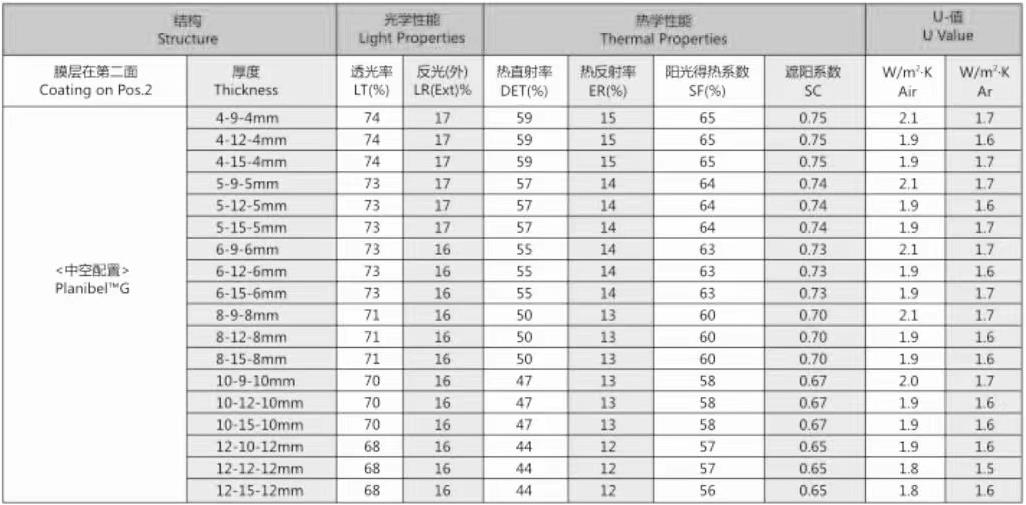
Insulated glass is a glass assembly composed of two or more pieces of glass, evenly separated by effective support, sealed with a binder around the glass layer to form a dry gas space between the glass layers.Glass components can be made of clear glass, tinted glass, reflective glass, laminated glass, tempered glass, etc.according to customer's request.
Its excellent efficiency in solar heat insulation, greatly reduces cooling loads.
Dry air inside the enclosure renders the surface free from misting.
More excellent efficiency will be if fill in argon or other inert gases.rom misting.
Glass Thickness 3-19mm
Spacer Thickness 6A,9A,12A,16A,24A.etc
Spacer Material Aluminum, Stainless, Warm edge, TPS, 4SG
Size Min.200x300mm, Max.3300mmx13000mm, custom sizes
Glass options Low-E tempered glass, ultra clear glass, tinted glass, solar reflective glass etc

Kingstar Building glass: www.kingstar-glass.com
Kinstar Glassware (Professional Glassware & Kitchen Storage): www.kingstarliving.com


Kingstar Building glass:
Email: eric@kingstar-glass.com
Kingstar Glassware
(Professional Glassware & Kitchen Storage):
Email: info@kingstar-glass.com
Address: NO.101 SHENZHEN ROAD, QINGDAO, CHINA
© 2022 Qingdao Kingstar Glass Co., Ltd . All rights reserved Site Map | Technical Support:weidongli
Building glass:
Wechat/Whatsapp: 008618562697682
Email: eric@kingstar-glass.com
Glassware please visit: www.kingstarliving.com
Wechat/Whatsapp: 008615063091883
Email: info@kingstar-glass.com
Address: NO.101 SHENZHEN ROAD, QINGDAO, CHINA

© 2022 Qingdao Kingstar Glass Co., Ltd . All rights reserved Site Map
