

008615063091883
 English
-
 English
 -
عربي
-
Deutsch
-
Русский язык
-
Français
-
Latina
-
Português
-
Español


info@kingstar-glass.com

KINGSTAR GLASS
Digital Printing Glass | Custom High-Resolution Ceramic Ink Architectural Glass from KINGSTAR BUILDING GLASS
KINGSTAR BUILDING GLASS Digital Printing Glass is a revolutionary architectural glass product that uses advanced inkjet technology to apply ceramic inks directly onto glass surfaces, creating high-resolution, photo-realistic images, patterns, textures, and gradients with unlimited design flexibility. Unlike traditional screen printing which is limited to repetitive patterns, digital printing allows each individual glass panel to carry a completely different image or design. The ceramic inks are
What is Digital Printing Glass?
Digital printing glass is a decorative safety glass product manufactured using digital inkjet technology to apply ceramic inks directly onto glass surfaces. The process uses high-performance ceramic inks—composed of ceramic frit particles suspended in a carrier—which are jetted onto the glass through precision print heads. After printing, the glass is dried at approximately 150°C to remove organic solvents, then passed through a tempering furnace at 650-720°C, where the ceramic particles are fully sintered and fused into the glass surface. The result is a permanent, durable decoration that becomes an integral part of the glass itself.
Digital printing glass represents a significant advancement over traditional screen printing. While screen printing requires a separate screen for each color and pattern, digital printing offers unlimited design flexibility, allowing each panel to display unique images or patterns. The technology can reproduce photo-realistic images, gradients, textures, and artwork with precise color control.
Digital Printing vs. Screen Printing
| Feature | Digital Printing Glass | Screen Printed Glass |
|---|---|---|
| Design Flexibility | Unlimited—each panel can be unique | Limited to repeated patterns |
| Image Quality | Photo-realistic, high resolution, smooth gradients | Lower resolution, visible screen mesh, limited gradients |
| Color Range | Virtually unlimited—millions of colors | Limited to spot colors |
| Setup Cost | Low—no screens required | High—screen preparation for each design |
| Suitable for | Complex designs, custom projects, photo images | Simple repetitive patterns, large volumes |
| Durability | Ceramic ink fused into glass—scratch and UV resistant | Ceramic ink fused into glass—same durability |
| Tempering Compatibility | Fully compatible—fused during tempering | Fully compatible—fused during tempering |
Manufacturing Process
Digital printing glass is manufactured through a controlled process:
- The glass panel is cut and edge-worked to the required specifications.
- The glass surface is thoroughly cleaned to ensure perfect ink adhesion.
- High-resolution digital artwork is loaded into the printer's image processing software.
- Ceramic inks are jetted onto the glass surface using precision inkjet print heads.
- The printed glass is dried at approximately 150°C to remove organic solvents.
- The glass undergoes thermal tempering at 650-720°C, permanently fusing the ceramic ink into the glass surface.
- The finished glass is inspected for quality.
All cutting, drilling, and edge work must be completed before printing. Once the ceramic ink is fused during tempering, the design is permanent and integral to the glass.
Key Features
- Unlimited design freedom: Each panel can carry a different image or pattern; no screen limitations.
- Photo-realistic quality: High-resolution printing capable of reproducing photographs, gradients, textures, and fine details.
- Permanent durability: Ceramic ink is fused into the glass during tempering—will not scratch, peel, or fade.
- UV and weather resistance: Fused ceramic ink resists UV light, moisture, and outdoor exposure.
- Scratch and abrasion resistance: The printed surface is as durable as the glass itself.
- Solar control capability: Ink coverage can be controlled to influence solar heat gain and glare reduction.
- Slip-resistant options: Ink can be formulated for slip-resistant applications.
- 10-year UV fade warranty: Available on premium digital printing systems.
- Compatible with multiple glass types: Clear, low-iron, tinted, frosted, laminated, and insulating glass.
- Tempering compatible: The ceramic ink is fused during the tempering process, making the printed glass safety glass.
Technical Specifications
Applications
Exterior Architectural Applications:
- Building facades and curtain walls: Transform entire building envelopes with custom artwork, patterns, and brand imagery.
- Spandrel panels: Full-coverage opaque printing in any color or pattern to conceal structural elements.
- Canopies and entrance covers: Custom printed glass for striking entrances.
- Balustrades and railings: Printed safety glass with decorative or privacy patterns.
- Storefronts and retail facades: Branded and visually distinctive storefronts.
Interior Architectural Applications:
- Feature walls and lobby installations: Photo-realistic or abstract designs for hotel lobbies, corporate offices, and public buildings.
- Office partitions and room dividers: Branded graphics, privacy patterns, or decorative designs for modern workplaces.
- Glass doors and entrances: Custom printed doors for corporate and commercial spaces.
- Elevator interiors: Decorative printed glass panels for vertical transport.
Commercial and Hospitality:
- Hotel lobbies and guest rooms: Custom artwork and brand imagery.
- Shopping malls and retail stores: Branded displays, wayfinding, and decorative elements.
- Restaurants and bars: Custom printed glass for interiors and facades.
- Museums and galleries: Exhibition displays and architectural glass features.
Furniture and Decorative:
- Furniture panels: Custom printed glass for cabinets, desks, and shelving.
- Countertops and tabletops: Durable, printed glass surfaces.
- Backsplashes and wall cladding: Custom designs for kitchens and bathrooms.
Why Choose KINGSTAR BUILDING GLASS Digital Printing Glass?
- Unlimited creative freedom: Any design, any pattern, any image—each panel can be unique.
- Photo-realistic quality: High-resolution printing capable of reproducing photographs, textures, and fine details.
- Permanent durability: Ceramic ink is fused into the glass during tempering—will never scratch, peel, or fade.
- UV and weather resistance: Fused ceramic ink resists UV light, moisture, and outdoor exposure.
- Solar control capability: Ink coverage can be precisely controlled to optimize solar heat gain and glare reduction.
- Complete processing: Design consultation, color proofing, printing, tempering, and finishing under one roof.
- Multiple glass options: Clear, low-iron, tinted, frosted, laminated, and insulating glass combinations.
- Safety certified: Meets EN 12150 and EN 12600 standards for tempered safety glass.
- 10 years of industry expertise: With a decade of dedicated experience in glass manufacturing and export, KINGSTAR BUILDING GLASS has delivered digital printing glass solutions to projects across North America, Europe, the Middle East, and Southeast Asia.
- Quality assurance: Strict quality control from artwork preparation to final packaging, ensuring consistent color reproduction, precise registration, and reliable processing.
Ready to bring your creative vision to life with custom digital printing glass? Share your artwork and project requirements with our technical team for custom digital printing glass solutions. We will provide color proofing, artwork optimization, performance data, and a competitive quote tailored to your project requirements, backed by a decade of glass manufacturing expertise.
Frequently Asked Questions (FAQ)
Q1: What is the difference between digital printing glass and screen-printed glass?
A: Digital printing glass uses inkjet technology to apply ceramic inks directly onto glass, allowing for photo-realistic images, smooth gradients, and unlimited design flexibility—each panel can display a completely different image. Screen-printed glass requires a separate screen for each color and pattern, limiting designs to repetitive patterns and spot colors. Both technologies use ceramic inks that are fused into the glass during tempering, offering the same durability. Digital printing is ideal for complex, custom, or photo-realistic designs, while screen printing is more cost-effective for simple, repetitive patterns in large volumes.
Q2: Is digital printing on glass durable enough for exterior use?
A: Yes. Digital printing glass uses ceramic inks that are fused into the glass surface during the tempering process at 650-720°C. The ink becomes an integral part of the glass itself, providing exceptional resistance to scratches, acids, UV light, and weather deterioration. The printed surface is as durable as the glass itself and will not fade, peel, or scratch under normal use. Premium digital printing systems offer a 10-year warranty against UV fade, making digital printing glass highly suitable for exterior facades and outdoor applications.
Q3: Can digital printing glass be tempered, laminated, or used in insulating glass units?
A: Yes. Digital printing glass is fully compatible with tempering, laminating, and insulating glass unit fabrication. In fact, the ceramic ink is fused into the glass during the tempering process itself. The printed glass can be laminated with PVB or SGP interlayers for added safety and acoustic performance, or incorporated into insulating glass units with low-E coatings and argon gas fills for enhanced thermal insulation. All cutting, drilling, and edge work must be completed before printing.
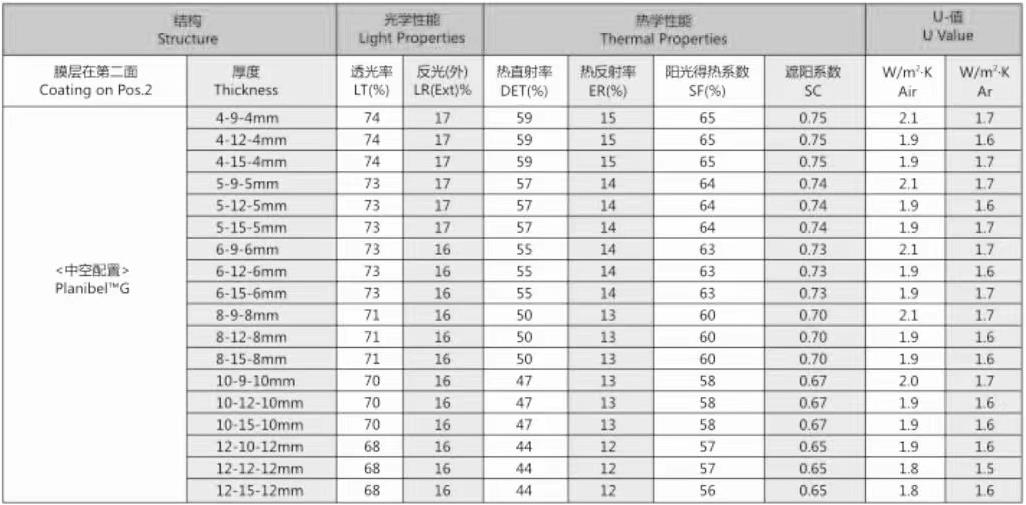
Insulated glass is a glass assembly composed of two or more pieces of glass, evenly separated by effective support, sealed with a binder around the glass layer to form a dry gas space between the glass layers.Glass components can be made of clear glass, tinted glass, reflective glass, laminated glass, tempered glass, etc.according to customer's request.
Its excellent efficiency in solar heat insulation, greatly reduces cooling loads.
Dry air inside the enclosure renders the surface free from misting.
More excellent efficiency will be if fill in argon or other inert gases.rom misting.
Glass Thickness 3-19mm
Spacer Thickness 6A,9A,12A,16A,24A.etc
Spacer Material Aluminum, Stainless, Warm edge, TPS, 4SG
Size Min.200x300mm, Max.3300mmx13000mm, custom sizes
Glass options Low-E tempered glass, ultra clear glass, tinted glass, solar reflective glass etc

Kingstar Building glass: www.kingstar-glass.com
Kinstar Glassware (Professional Glassware & Kitchen Storage): www.kingstarliving.com


Kingstar Building glass:
Email: eric@kingstar-glass.com
Kingstar Glassware
(Professional Glassware & Kitchen Storage):
Email: info@kingstar-glass.com
Address: NO.101 SHENZHEN ROAD, QINGDAO, CHINA
© 2022 Qingdao Kingstar Glass Co., Ltd . All rights reserved Site Map | Technical Support:weidongli
Building glass:
Wechat/Whatsapp: 008618562697682
Email: eric@kingstar-glass.com
Glassware please visit: www.kingstarliving.com
Wechat/Whatsapp: 008615063091883
Email: info@kingstar-glass.com
Address: NO.101 SHENZHEN ROAD, QINGDAO, CHINA

© 2022 Qingdao Kingstar Glass Co., Ltd . All rights reserved Site Map
