

008615063091883
 English
-
 English
 -
عربي
-
Deutsch
-
Русский язык
-
Français
-
Latina
-
Português
-
Español


info@kingstar-glass.com
Patterned Glass: Adding Texture and Privacy to Modern Architectural Design
Author:KINGSTAR GLASS
Click:
Time:2025-12-25 22:17:42
In contemporary architecture, glass is expected to deliver more than transparency. Architects, developers, and façade consultants increasingly look for solutions that balance light transmission, visual interest, and privacy—without compromising durability or compliance. Patterned glass has emerged as a practical and design-forward material that meets these demands across commercial and public building projects.
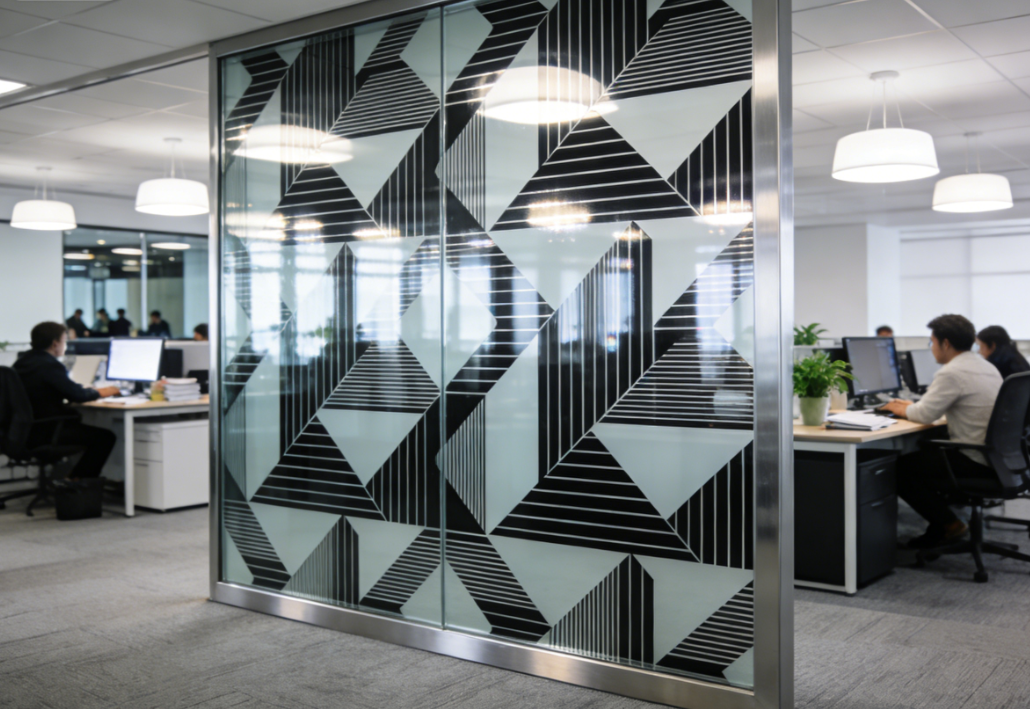
Patterned glass, also known as textured or figured glass, is manufactured by rolling patterns onto the glass surface during production. This process creates varying levels of opacity while maintaining structural integrity, making it a versatile option for both interior and exterior architectural applications.
Why Patterned Glass Is Gaining Attention in Commercial Projects
Unlike clear glass, patterned glass diffuses light while limiting direct visibility. This makes it particularly valuable in environments where privacy and daylight must coexist. Offices, hotels, healthcare facilities, and mixed-use developments increasingly incorporate patterned glass to achieve functional zoning without heavy structural barriers.
From a performance perspective, patterned glass can be further processed into tempered, laminated, or insulated glass units, allowing it to meet safety, acoustic, and thermal requirements commonly specified in modern building standards.

Key Architectural Applications
Patterned glass is widely specified in projects where aesthetics and function must align:
- Curtain wall accents and façade elements
- Office partitions and meeting rooms
- Staircases, balustrades, and safety glazing
- Bathrooms, locker rooms, and wellness areas
- Retail storefronts and interior feature walls
Its ability to soften light and add texture makes it suitable for both large-scale architectural glass installations and detailed interior design features.
Functional Advantages for Building Projects
| Performance Aspect | Value for Commercial Buildings |
|---|---|
| Privacy Control | Reduces direct visibility without blocking light |
| Design Flexibility | Multiple patterns support architectural branding |
| Safety Compatibility | Can be tempered or laminated for code compliance |
| Energy Integration | Compatible with IGU and Low-E configurations |
These characteristics explain why search demand for terms such as patterned architectural glass, textured glass supplier, decorative glass for buildings, and privacy glass solutions continues to grow among B2B buyers.
Specification Considerations for Procurement Teams
When sourcing patterned glass for architectural projects, specifiers and procurement managers should evaluate more than visual appeal. Key considerations include pattern consistency, glass thickness tolerance, tempering capability, and compatibility with laminated or insulated systems.
Reliable manufacturers must demonstrate stable production processes, consistent pattern depth, and the ability to supply bulk quantities for large façade or interior projects. Long-term supply stability and technical communication are especially critical for multi-phase developments.
KINGSTAR GLASS supplies patterned architectural glass solutions designed for commercial and building applications. With the capability to process patterned glass into tempered, laminated, and insulated units, KINGSTAR GLASS supports architects and contractors seeking both aesthetic flexibility and engineering reliability.

点击右上角
分享给朋友吧







 Long by picture save/share
0
Prev : Choosing the Right Mirror for Your Bathroom: A Practical Guide for Modern ProjectsNext : Greenhouse Glass: A Guide to Choosing Panels for Your Plants
文章推荐

Kingstar Building glass: www.kingstar-glass.com
Kinstar Glassware (Professional Glassware & Kitchen Storage): www.kingstarliving.com


Kingstar Building glass:
Email: eric@kingstar-glass.com
Kingstar Glassware
(Professional Glassware & Kitchen Storage):
Email: info@kingstar-glass.com
Address: NO.101 SHENZHEN ROAD, QINGDAO, CHINA
© 2022 Qingdao Kingstar Glass Co., Ltd . All rights reserved Site Map | Technical Support:weidongli
Building glass:
Wechat/Whatsapp: 008618562697682
Email: eric@kingstar-glass.com
Glassware please visit: www.kingstarliving.com
Wechat/Whatsapp: 008615063091883
Email: info@kingstar-glass.com
Address: NO.101 SHENZHEN ROAD, QINGDAO, CHINA

© 2022 Qingdao Kingstar Glass Co., Ltd . All rights reserved Site Map
